Growth-Stage Orthodontics
in Busan, Korea
📍 Busanjin-gu, Seomyeon | 🦷 Board-Certified Orthodontist | 👦 Ages 6–18 | 🌐 English OK
CS Dental Hospital in Busan Seomyeon provides growth-stage orthodontic treatment (성장기 교정) for children and adolescents — the most clinically advantageous window for orthodontic intervention. CS Dental recommends assessment from age 6–8, with active treatment typically beginning at 12–18. International families visiting Busan receive a written English assessment report for their child.
Ages 12–18 are the orthodontic golden time — treatment is faster, results are more stable. Early assessment from age 6–8 can prevent complex future treatment. Board-certified orthodontist. Busan Seomyeon.
Board-certified specialist care.
International patients welcome.
Why Growth-Stage Orthodontics Has a Clinical Advantage
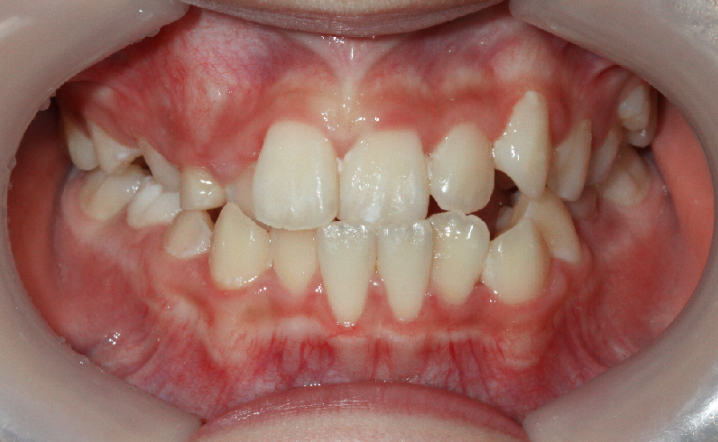
Growth-stage orthodontics takes advantage of active jaw and facial development occurring in children and adolescents. At ages 12–18, soft tissues surrounding the teeth and jaw are more malleable — smaller orthodontic forces produce faster tooth movement with lower risk of root resorption and relapse. Full-arch treatment in a teenager typically completes faster and more stably than the equivalent adult case.
Early assessment at ages 6–8 allows the orthodontist to evaluate whether jaw bones and teeth are developing harmoniously — identifying growth discrepancies early enough to intervene before they become fixed skeletal problems potentially requiring surgery.
Key Advantages of Growth-Stage Orthodontics
- Faster treatment compared to adult orthodontics
- Lower relapse rate due to soft tissue adaptability
- Jaw growth can be guided alongside tooth movement
- Prevention of future complex or surgical cases
- Psychological benefit — confidence restored during adolescence
Growth-Stage Programs at CS Dental Busan
CS Dental provides age-appropriate orthodontic programs from early preventive assessment through to comprehensive teen treatment.
Teen Orthodontics — 12–18
Golden Time · Fastest ResultsThe primary treatment window. Soft tissues adapt readily, permanent teeth have erupted, and jaw growth is still active.
- Fastest treatment completion
- Lower relapse risk
- All appliance types available
- Metal, ceramic, or Invisalign
Early Intervention — 6–8
Preventive · Growth GuidanceAssessment at 6–8 identifies developing jaw discrepancies before they become fixed. Functional appliances guide jaw growth.
- Jaw issues identified early
- Functional appliances used
- Underbite and crossbite addressed
- Reduces future treatment complexity
English Assessment Report
International Families · Take-HomeFor international families, CS Dental provides a written English orthodontic assessment report for your child — including growth status and next steps.
- Full diagnostic assessment
- Written English report
- Sharable with home orthodontist
- X-rays and records provided
Your Child's Orthodontic Journey at CS Dental Busan
From early assessment to final retention — age-appropriate, specialist-supervised.
Initial Assessment (6–8)
Panoramic X-ray, cephalometric analysis, jaw growth pattern evaluation. Identifies early intervention needs or confirms monitoring schedule.
Growth Monitoring / Phase I
If early intervention is indicated, functional appliances fitted. Otherwise, scheduled check-ups track jaw development.
Phase II — Active Orthodontics (12–18)
Full or partial braces placed when permanent teeth have erupted. Treatment typically faster than adult orthodontics.
Retention & Growth Completion
Retainers fitted after active treatment. Growth monitored until completion. Final assessment confirms stable result.
Who Should Seek Growth-Stage Orthodontic Assessment?
✓ Good Candidates
- Children aged 6–8 with visible jaw asymmetry, underbite, or significant crowding
- Teenagers aged 12–18 with crowding, spacing, or bite issues
- International families wanting an assessment and written English report for their child
- Parents concerned about jaw clicking, unusual tooth eruption, or bite problems
ⓘ Important Considerations
- Very young children (under 6) are generally not treated unless severe jaw problems require urgent intervention
- Treatment cannot begin until sufficient permanent teeth have erupted — timing determined at assessment
- Growth-stage treatment requires patient cooperation with appliance care and wear
Growth-Stage Orthodontics Busan — FAQ
Common questions from parents considering orthodontic assessment for children in Busan.
At what age should a child have an orthodontic assessment?
Is orthodontic treatment faster in teenagers than adults?
Can a child start orthodontics during a visit to Busan?
Does growth-stage orthodontics prevent jaw surgery?
Book Your Child's Orthodontic Assessment
in Busan — English OK
Board-certified orthodontist. Ages 6–18. Written English report available. 1-min from Seomyeon Station.