TMJ Disorder
in Busan,
Korea
📍 Busanjin-gu, Seomyeon | 🦷 TMJ Specialist | 🔬 Gothic Arch Exam | 🌐 English OK
CS Dental Hospital in Busan Seomyeon diagnoses and treats TMJ disorder (턱관절질환) — jaw joint disease causing pain, clicking, limited opening, headaches, and referred neck and shoulder tension. CS Dental uses Gothic arch examination (고딕아치 검사) to precisely identify the jaw's centric relation position before any treatment is recommended — the diagnostic gold standard for TMJ and occlusion problems.
TMJ disorder causes jaw pain, clicking, headaches, and limited opening. CS Dental Hospital provides specialist-level TMJ diagnosis using Gothic arch examination in Busan Seomyeon — one of the few clinics in Busan with this diagnostic capability. English OK.
Specialist jaw care.
International patients welcome.
What Is TMJ Disorder — and How Do You Know If You Have It?
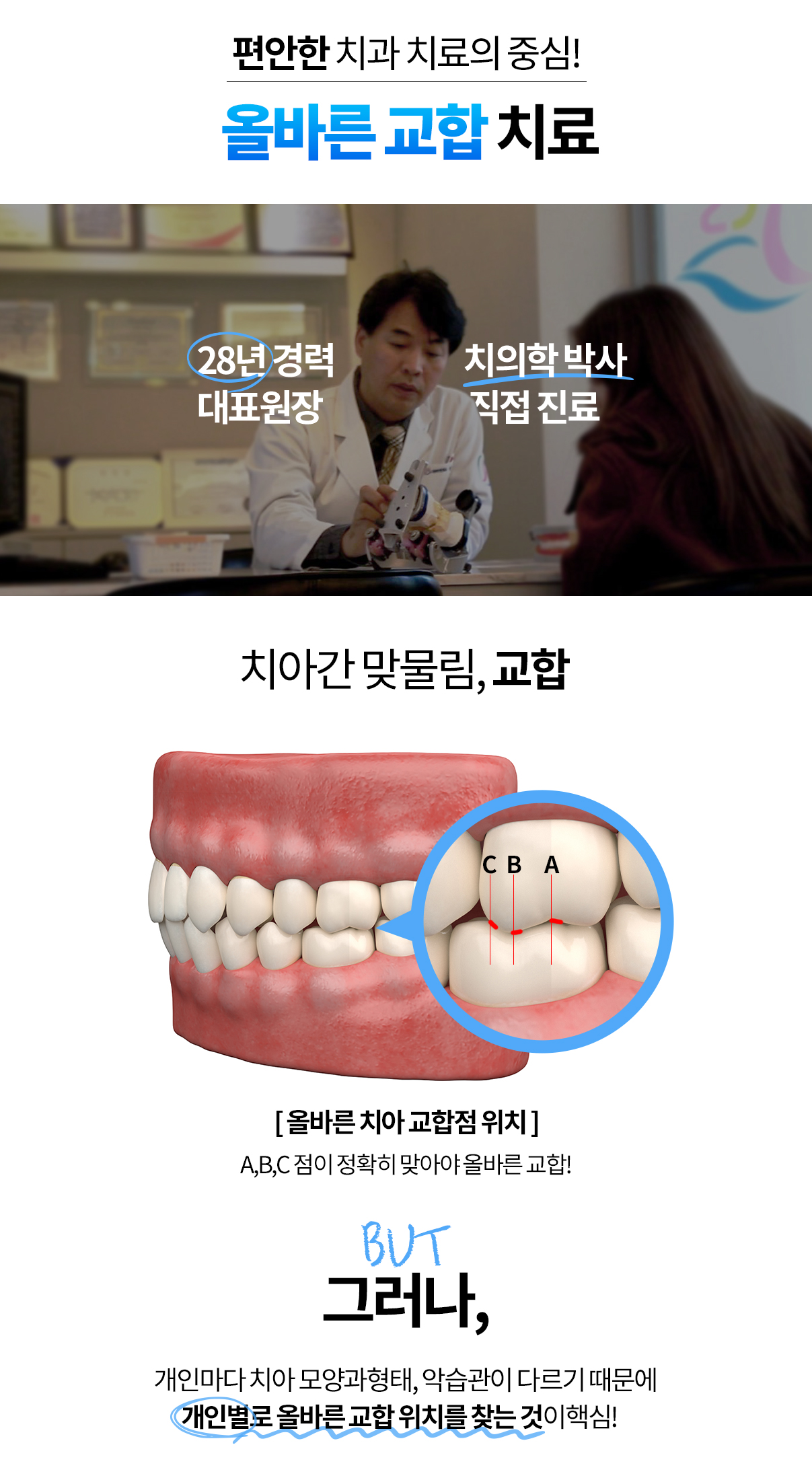
The temporomandibular joint (TMJ) is the hinge joint connecting the lower jaw (mandible) to the temporal bone of the skull — located just in front of each ear. It is one of the most mechanically complex joints in the body, responsible for all jaw movement: opening, closing, chewing, speaking, and lateral grinding. Between the two bony surfaces sits an articular disc — a cushioning pad that absorbs the forces of biting and chewing.
When the TMJ is stressed, misaligned, or structurally compromised, it produces a range of symptoms extending well beyond the jaw itself. The muscles of mastication (chewing muscles) connect the jaw to the skull and neck — meaning jaw joint problems frequently present as headaches, facial pain, ear symptoms, and neck and shoulder tension that patients often don't associate with their dental bite.
The 4 Main Symptoms of TMJ Disorder
- Pain — jaw joint pain during eating, yawning, or at rest; facial and temporal muscle soreness
- Joint noise — clicking, popping, or crepitus (grating sounds) when opening or closing the mouth
- Limited opening (trismus) — difficulty fully opening the mouth; jaw locking or deviating to one side when opening
- Headaches — tension headaches, temporal headaches, or morning headaches on waking
TMJ Disorder Self-Assessment — 9 Signs
If 3 or more of the following apply to you, TMJ disorder assessment is recommended:
- One ear canal feels more pressure than the other when you insert a little finger and open wide
- Your jaw traces an S-curve when you open and close wide
- You cannot fit three fingers (index, middle, ring) stacked vertically between your teeth when fully open
- You hear clicking, popping, or grinding sounds when opening or closing
- You experience pain when opening wide
- You grind your teeth (bruxism) — especially at night
- You get headaches or migraines
- Your neck feels stiff, tense, or frequently sore
- Your jaw aches when you move it sideways with your mouth closed
Why TMJ Is Frequently Misdiagnosed or Missed
TMJ disorder is among the most underdiagnosed conditions in dentistry. Many patients experiencing jaw clicking, morning headaches, or bite discomfort are told nothing is wrong — because accurate TMJ diagnosis requires specialist-level occlusal analysis tools that most general dental clinics do not have. CS Dental Hospital uses Gothic arch examination as the clinical baseline for all TMJ diagnosis — mapping the jaw's true centric relation position and identifying specific bite interferences causing joint stress.
What Causes TMJ Disorder?
TMJ disorder has multiple possible causes — identifying the correct cause is essential before selecting the appropriate treatment.
Ligament Overstretching
Trauma · OveruseThe ligaments supporting the TMJ can be overstretched by trauma (blow to the jaw, whiplash), prolonged dental treatment with wide mouth opening, or chronic jaw overuse — leading to joint instability.
- Trauma-related ligament damage
- Dental procedure overextension
- Jaw overuse from hard foods
- Creates joint instability
Muscle Overuse & Tension
Bruxism · ClenchingExcessive jaw muscle activity — grinding during sleep (bruxism) or daytime clenching under stress — creates chronic overload on the TMJ and surrounding muscles, causing pain and fatigue.
- Sleep bruxism (teeth grinding)
- Daytime stress clenching
- Jaw muscle fatigue and pain
- Accelerated tooth wear
Bite & Structural Causes
Malocclusion · RestorationsUneven bite (malocclusion), poorly fitted dental restorations, or structural jaw asymmetry can cause the jaw to deflect from its natural position — creating chronic joint stress with every bite.
- Malocclusion and bite imbalance
- Ill-fitting crowns or bridges
- Jaw structural asymmetry
- Progressive joint degeneration
TMJ Disorder Diagnosis and Treatment at CS Dental Busan
Accurate diagnosis first — treatment follows the identified cause.
Clinical Examination
Jaw joint palpation, range-of-motion measurement, muscle tenderness assessment, clicking/crepitus documentation. Symptom history and contributing factor review.
Gothic Arch Examination
Precision jaw movement mapping identifies true centric relation position, bite interferences, and deviation patterns. The diagnostic foundation for all subsequent treatment decisions.
Treatment Initiation
Custom occlusal splint fabricated based on Gothic arch data. Worn primarily at night. Medication or physical therapy added where indicated. Follow-up at 2–4 weeks.
Definitive Correction
Once TMJ stabilised, definitive bite correction through equilibration, restorative work, or orthodontic treatment — depending on root cause identified.
Who Should Have a TMJ Assessment at CS Dental Busan?
✓ Seek TMJ Assessment If You Have:
- Jaw clicking or popping sounds when opening or closing
- Morning jaw soreness or stiffness improving through the day
- Headaches — especially upon waking or temporal headaches
- Uneven bite — one side contacts differently
- Bruxism (teeth grinding) — especially if told by a partner or dentist
- Limited jaw opening or jaw locking or deviation to one side
- Ear pain or tinnitus associated with jaw function
- Neck and shoulder tension you haven't been able to resolve
ⓘ Important Considerations
- TMJ treatment at CS Dental is non-surgical — advanced joint degeneration or disc perforation may require surgical referral
- TMJ symptoms have multiple causes — medical conditions (arthritis, neurological) must be ruled out
- Short-stay international visitors can complete TMJ diagnosis and receive a splint during a Busan trip of 3–5 days
- Untreated bruxism continues to damage teeth even with splint therapy — stress and postural contributors addressed alongside dental treatment
TMJ Disorder Busan — FAQ
Common questions from international patients seeking TMJ assessment and treatment in Busan.
What is TMJ disorder?
Can TMJ disorder be treated at a dental clinic in Busan?
How do I know if I have TMJ disorder?
Can TMJ disorder be treated without surgery?
Is TMJ assessment available in English in Busan?
Book Your TMJ Assessment
in Busan — English OK
Specialist jaw joint diagnosis. Gothic arch examination. Non-surgical treatment. 1-min from Seomyeon Station.